
The Life of Winston Wolfenden
The Life of Winston Wolfenden — A Chronological Narrative
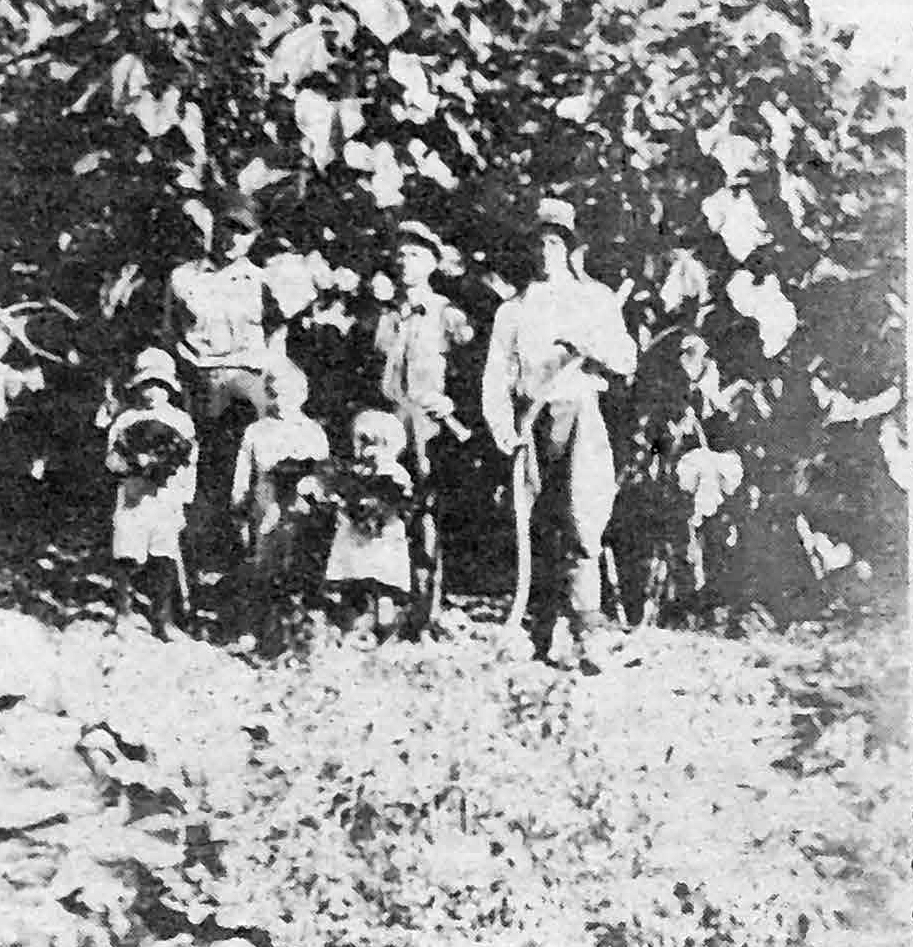
This story was first collected and printed in the Golden Star newspaper in 1979, preserving the memories of a family whose roots run deep in the Columbia Valley. Archie and Olive Wolfenden, and later Winston and Val, have long since passed on, but their legacy continues through the generations who still call this valley home. The photographs in this retelling of the story came from the original article so the quality isn’t great but the pictures should provide some context.
Archie and Olive — The Beginning of a Valley Family
The Wolfenden story in the Columbia Valley begins with Archie Wolfenden, born near Bolton, Lancashire, in 1883. Restless and determined, he enlisted in the British Army at fifteen to fight in the Boer War. His father intervened the first time, but the moment Archie turned sixteen, he enlisted again and served overseas.
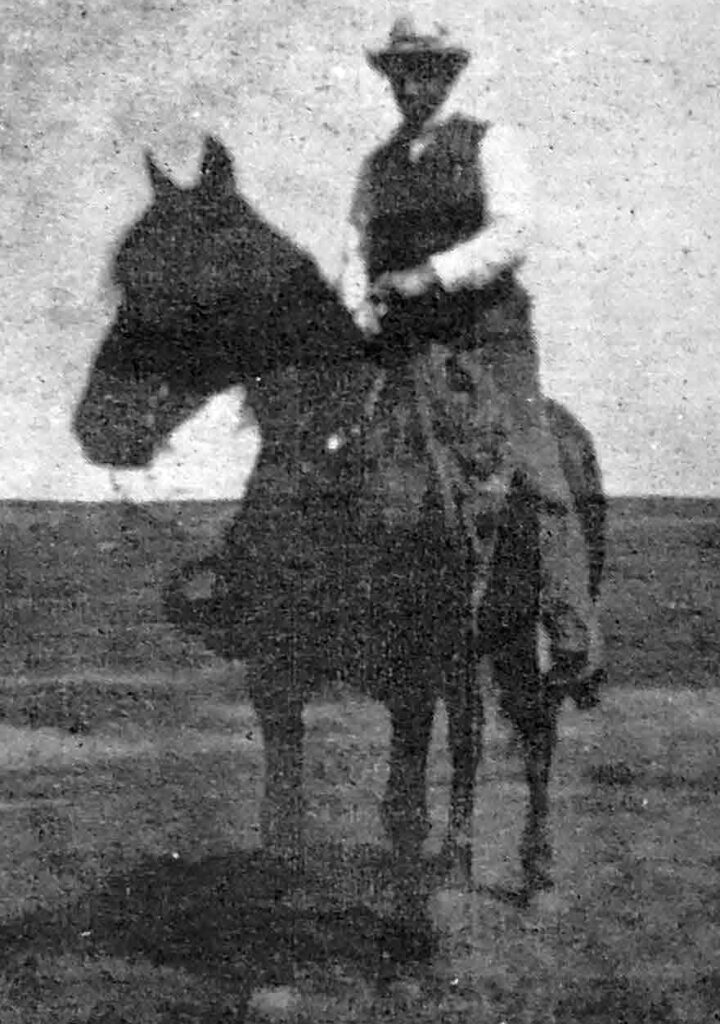
In 1907 he immigrated to Canada, first working on Pat Burns’ ranch in Alberta, where he learned to ride, rope, and even perform as a rodeo cowboy. A treasured photograph shows him riding a bucking horse named Red Ear, demonstrating his skill for a visiting party said to include English royalty.
But Alberta wasn’t where Archie would stay. The Columbia Valley drew him westward, and by 1909 he was working for the Columbia Valley Irrigation Company in Invermere. He homesteaded on the west side of Jubilee Mountain, later building the Brisco Store in 1912.
It was there that he met Olive Milligan, who had come west from Ontario in 1902. Her father logged in the Bugaboo River area, and Olive attended the first school built between Golden and Athalmer. In 1913, while visiting her sister Pearl, she met Archie — and never returned to Vancouver Island.
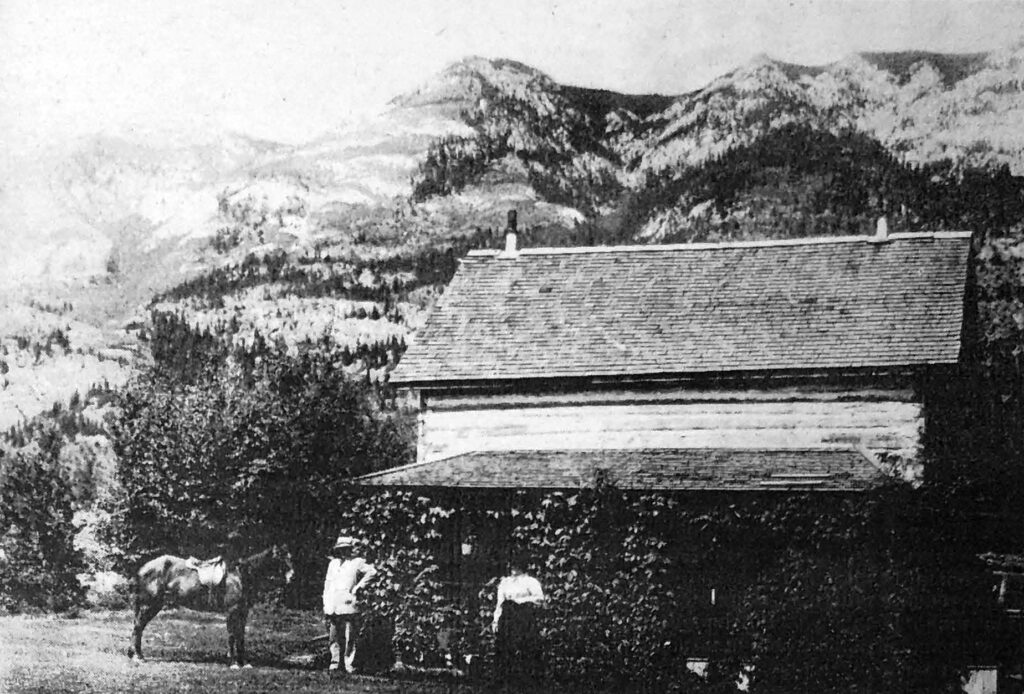
They married on September 10, 1915, and together ran the Brisco Store. Three children followed: Winston in 1917, Jim in 1918, and Olga in 1919. In 1921 they sold the store and moved to the Fortress Ranch, which Archie renamed Birchfield Farm.
Winston’s Childhood — Horses, Hard Work, and a Changing Valley
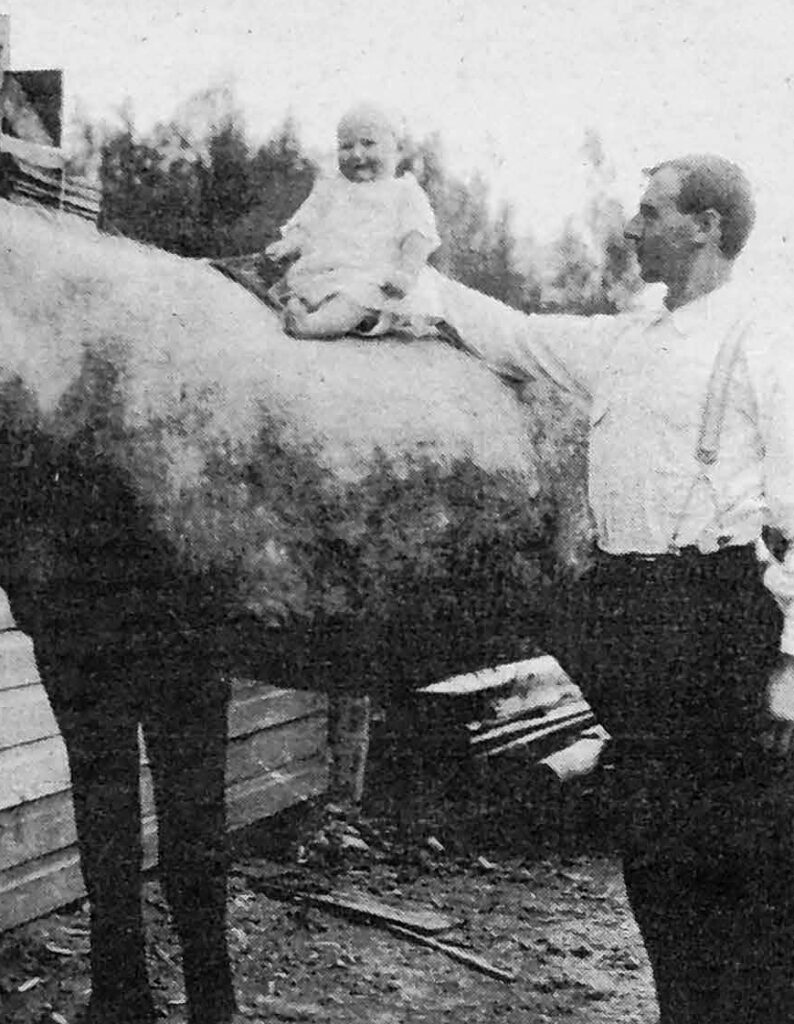
Born on April Fool’s Day, 1917, Winston carried a mischievous spark all his life. His earliest memories were of Brisco — the store, the neighbours, the slough meadows where cattle grazed, and the deep pits left by the construction of the Kootenay Central Railway, which became irresistible playgrounds for local children.
He remembered visiting old Danny Campbell at the post office and sneaking candies with the Cobb children, hiding behind the old stump puller to share their loot.
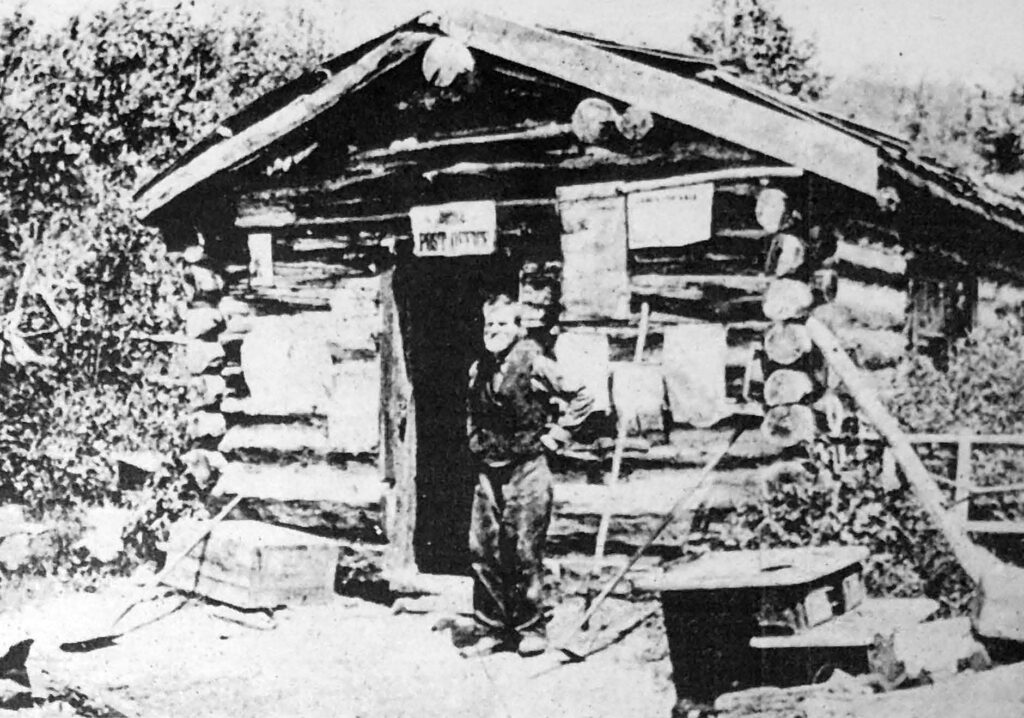
Horses were central to his life. He was riding by age three. Automobiles were rare, but Archie eventually bought a Model T Ford with coal‑oil lamps.
At Birchfield Farm, the family ran a dairy herd and kept about 150 sheep, selling lambs to hotels in Radium Hot Springs. Winston learned to shear sheep by age twelve.
Wildlife stories filled his childhood. Old Baptiste Paul, born on the banks of the Salmon River, told him of the “big snow” of 1896, when elk died on their own trails. Winston saw his first elk in the 1930s, but moose were plentiful, and he and Jim hunted long before they were old enough for licenses.
School Days — Frost, Firewood, and Community
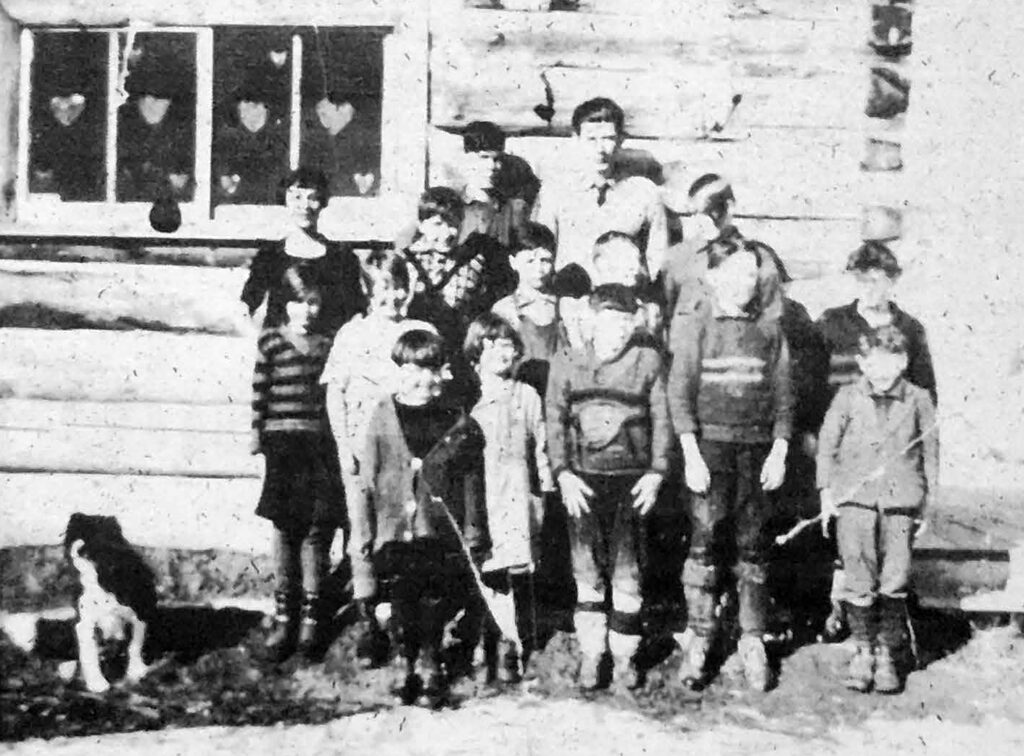
Winston first attended school at age five to make up the numbers needed to hire a teacher. His first teacher was Miss Lavis. After half a year he was sent home until he turned six. When he returned, it was to the opening of the new Brisco schoolhouse — the same log building later moved to the Golden Museum.
He earned two dollars a month lighting the school fire each morning. Winters were harsh; ink bottles froze and cracked, and the children stood in their coats until the stove warmed the room.
Teen Years — Rodeo, Responsibility, and the Great Depression
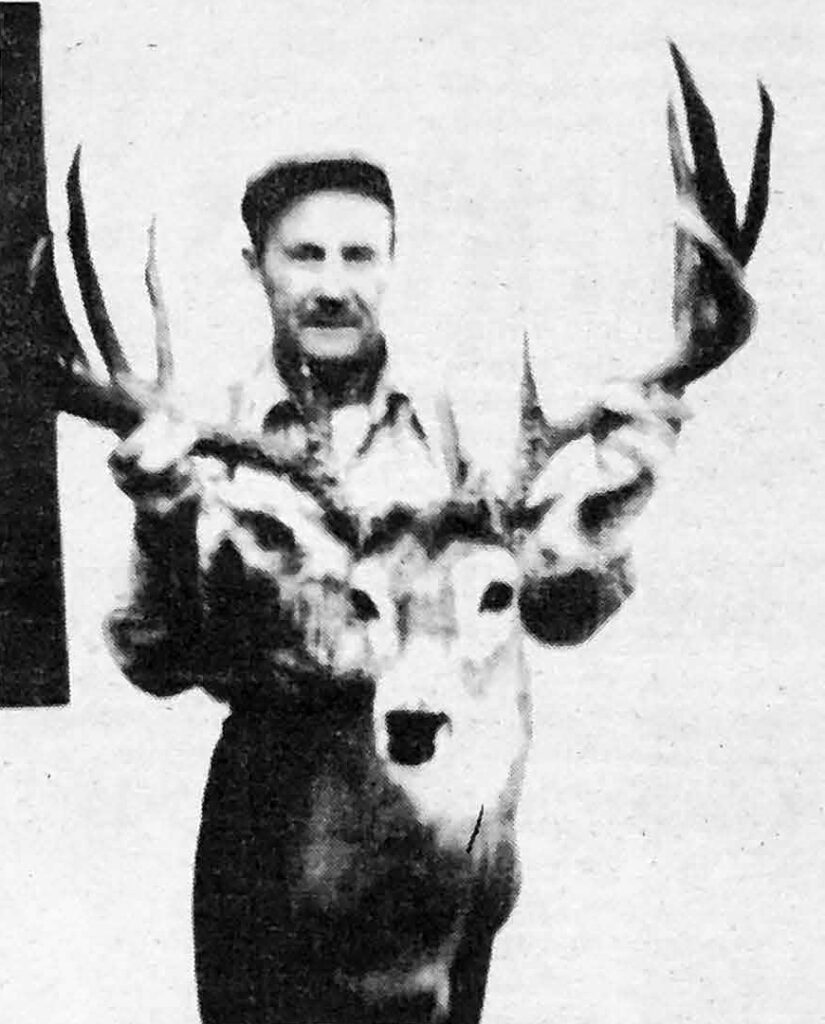
By fifteen, Winston was riding broncs. He and Jimmy Tegart practiced on unbroken horses and competed in rodeos from Cranbrook to Parson. At Windermere he won the All‑Round Cowboy Championship, a title he cherished.
The Depression years were hard but not devastating in the Columbia Valley. Families grew their own food, hunted game, and worked off taxes on government projects. Saturday night dances and winter badminton tournaments were highlights of community life.
Winston left school in 1931 to work on the farm.
Early Adulthood — Logging, Big Bend, and Trapping
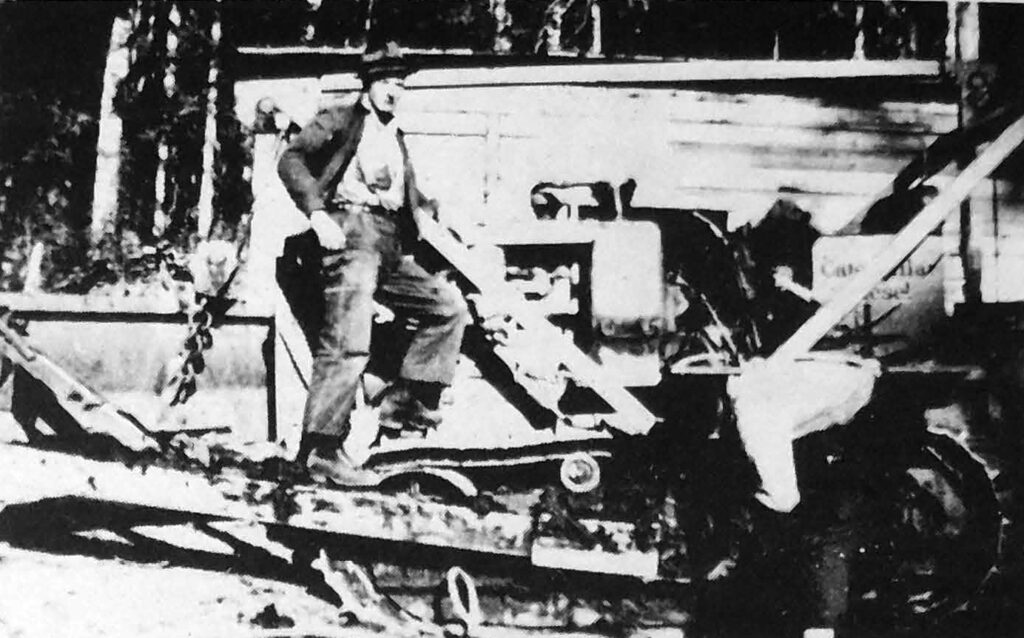
In 1934, at seventeen, Winston left the farm to drive a team of horses for George Tegart, hauling supplies to the Big Bend Highway construction camps. He shod many of the horses and remembered the excellent camp food — and the cook, Jimmy Conrad, who endured endless jokes about axle grease.
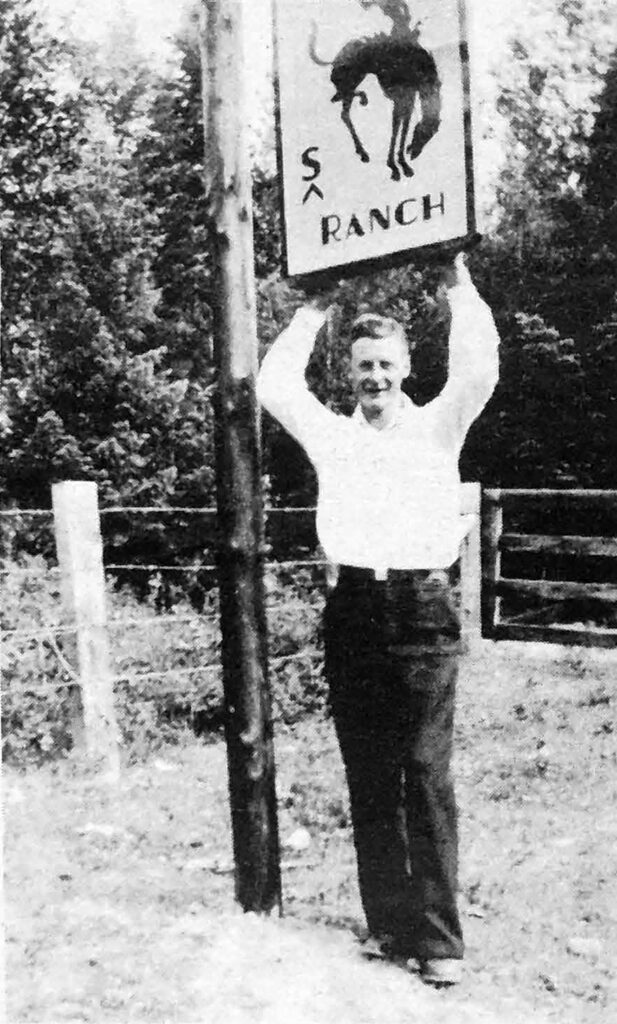
He worked for Tom Alton in Parson in 1935, then for the Schroder Lumber Company in Canoe in 1936. That winter he trapped with Charlie Stewart along the South Fork of the Spillimacheen, earning good money from marten and lynx pelts.
In 1937 he hopped a freight train west, leaving his name with Cominco in Trail before landing a job at the Guichon Cattle Ranch in Merritt.
Cominco and the War Years
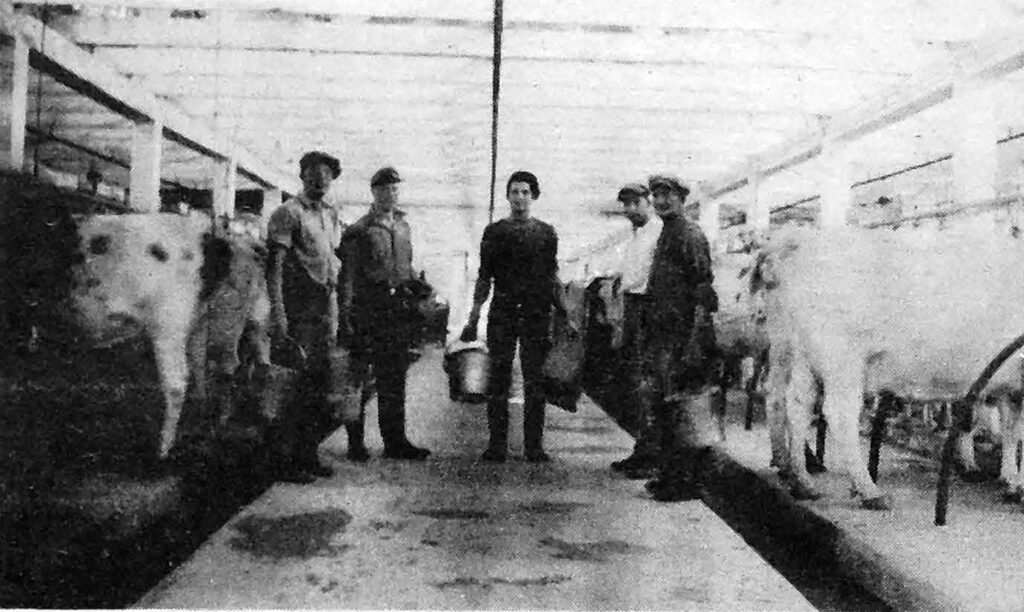
Later in 1937, Cominco offered him a job. He worked first on the company dairy farm, then in the plant itself, eventually becoming the ammonia plant operator.
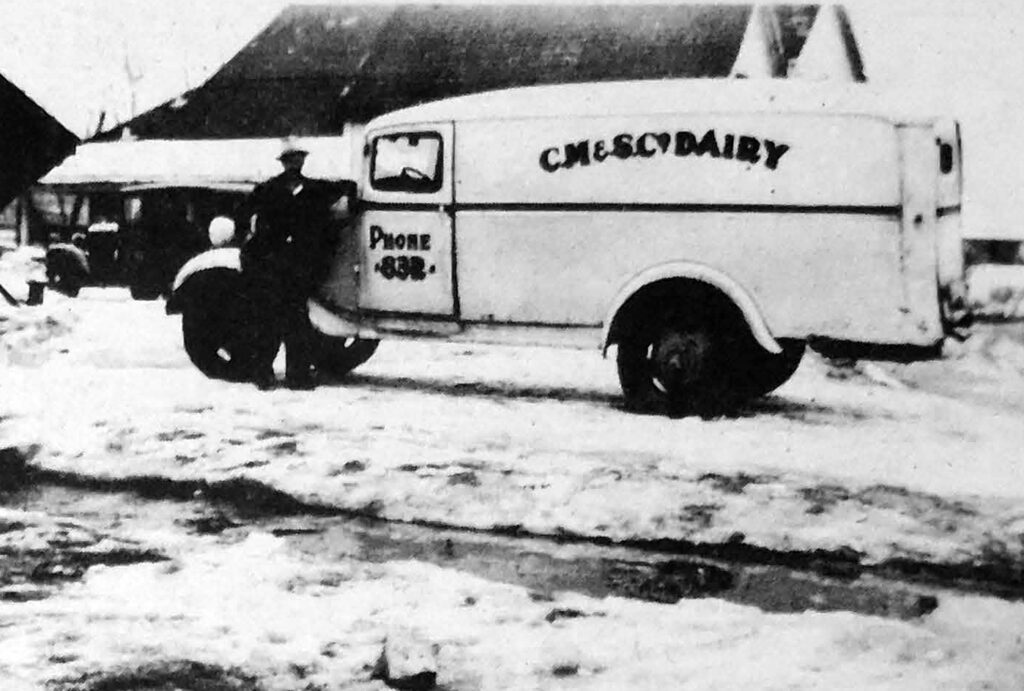
Trail was a harsh industrial town. Acid smoke killed every green thing, and long lines of unemployed men waited daily for work.
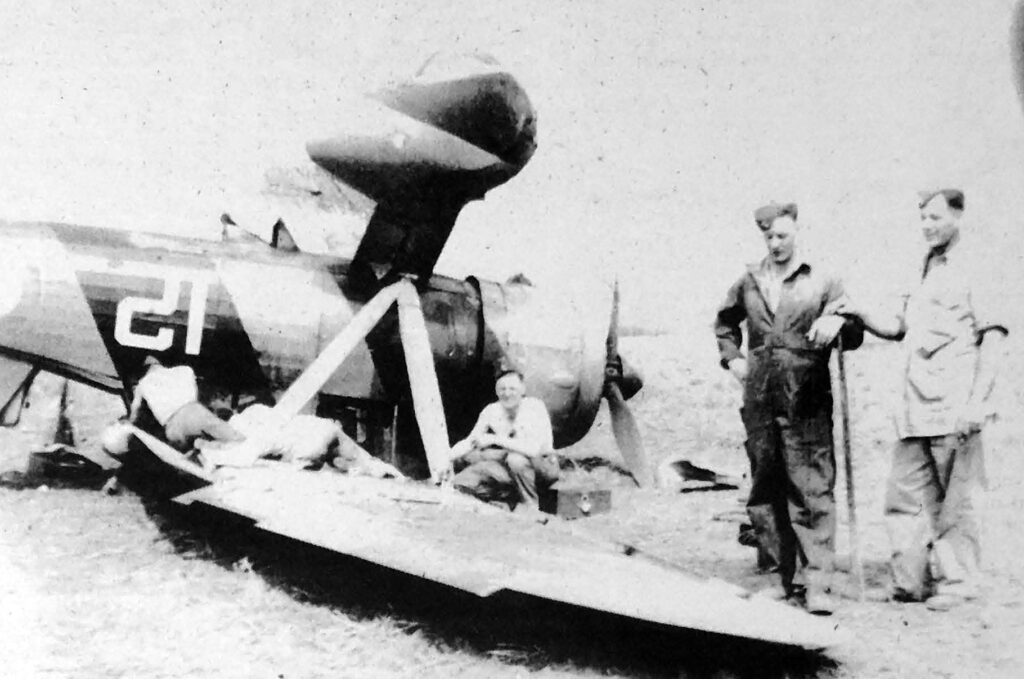
In 1941 he volunteered for the Air Force. After training in Calgary, Edmonton, and St. Thomas, Ontario, he was posted to Dafoe, Saskatchewan, in 1943 — an Icelandic settlement where he met Val Gillis, a young teacher from Wynyard.
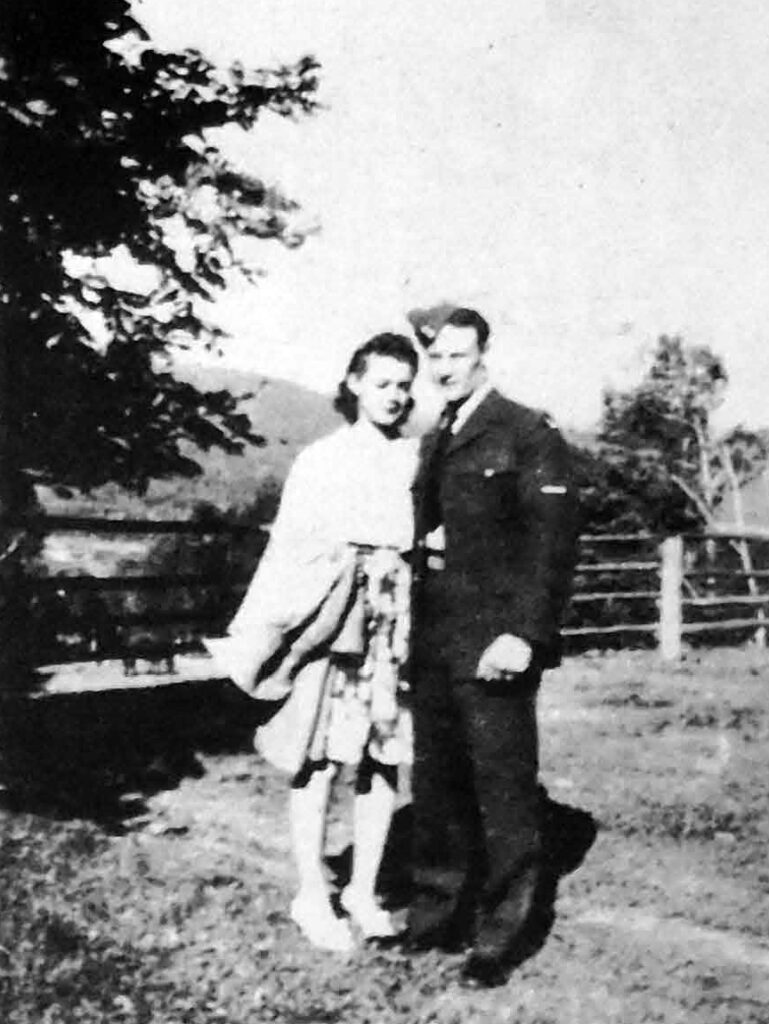
They married on July 10, 1944, and honeymooned at Birchfield Farm before returning to Dafoe. Winston rode a horse to the base each day through winter storms.
Returning Home — Family, Logging, and Birchfield Farm
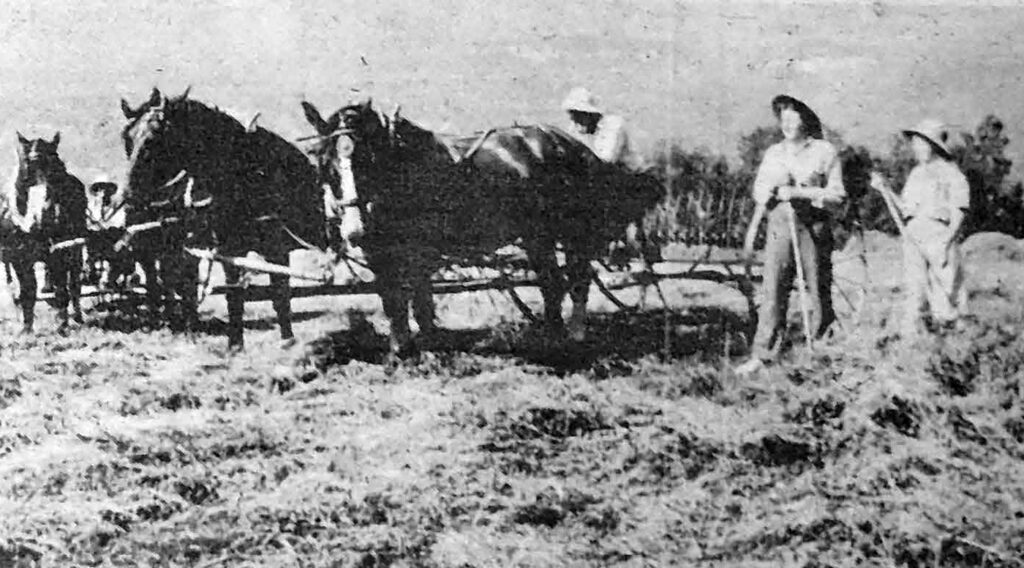
Dafoe closed in 1945, and Winston was discharged in February 1946. He returned to Brisco just before the birth of his first child, Don. He and Jim bought Birchfield Farm and went into logging, skidding logs with horse teams to portable mills. They logged selectively, preserving the young growth.
Logging was profitable, especially when the price of railroad ties jumped from ninety cents to a dollar ten. “Logging set us up,” Winston said.
They logged until 1953, working in the Bugaboo Valley and on land west of the Columbia.
Prospecting and the Old Claims
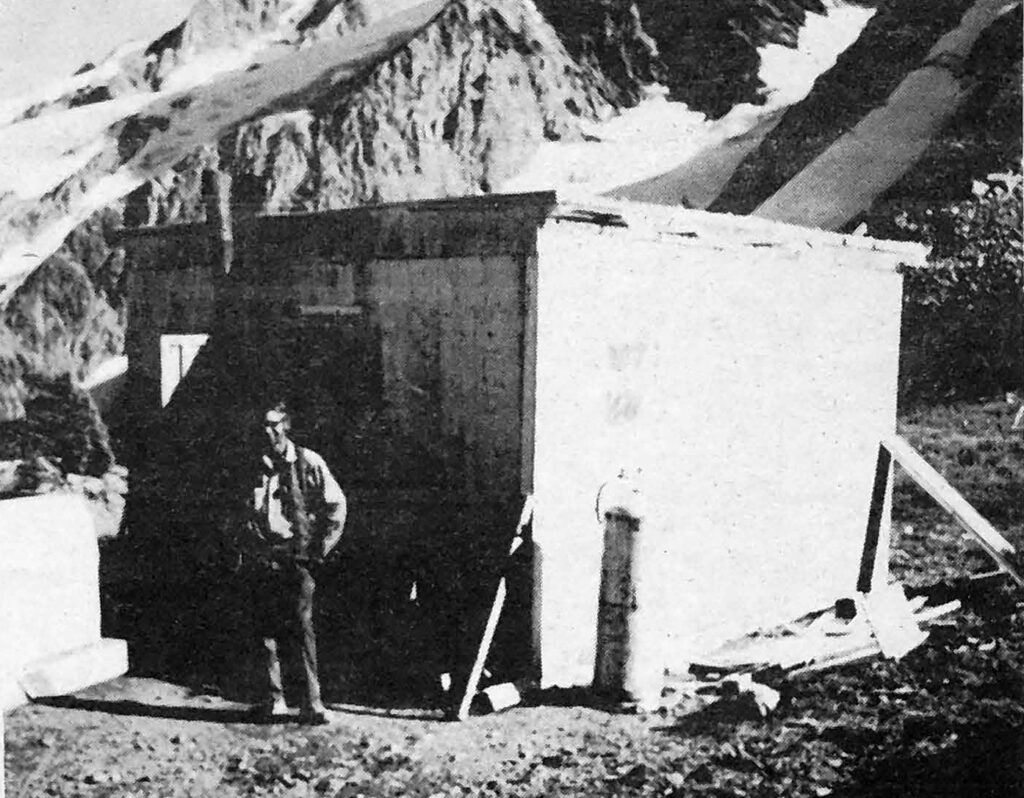
In the early 1950s, Winston began prospecting, re‑staking abandoned claims once held by Baptiste Paul and others. He built a road to a claim at the top of Napoleon Creek and completed the required assessment work. Most claims were eventually dropped, but Winston kept a few.
Dairying, Family Life, and the Fire of 1959
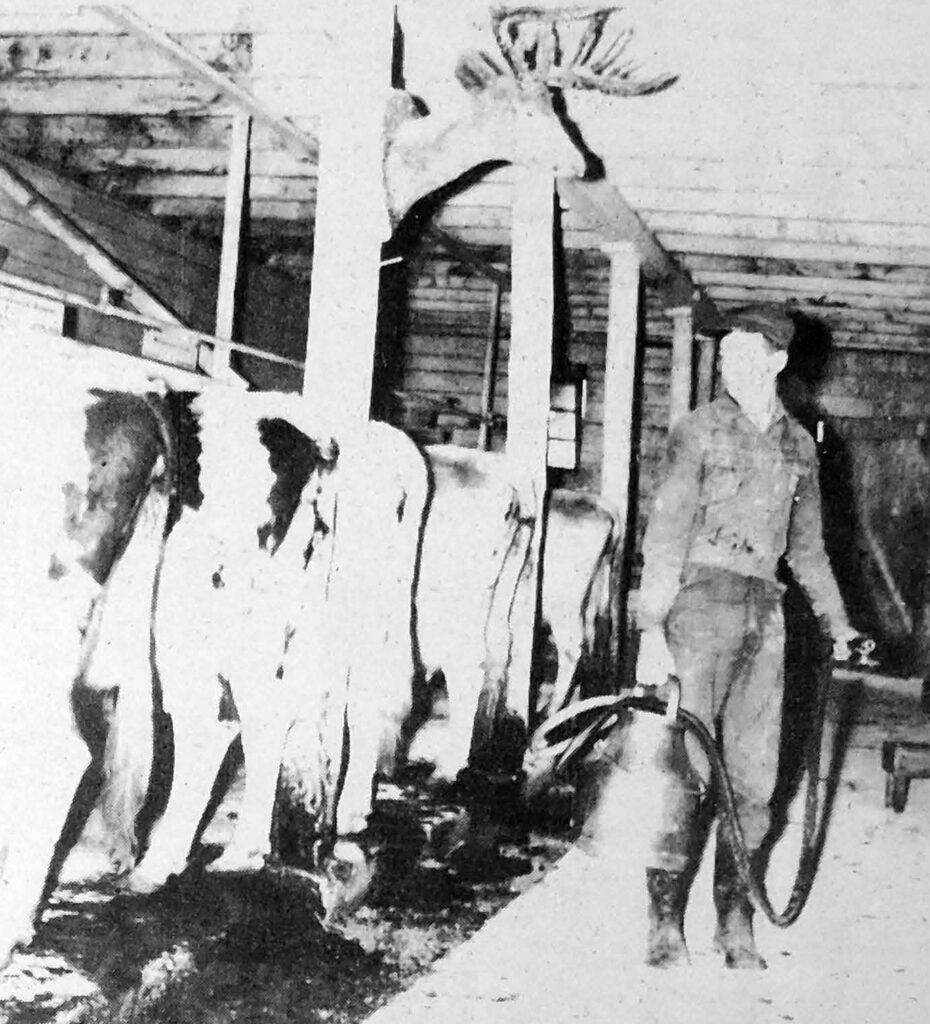
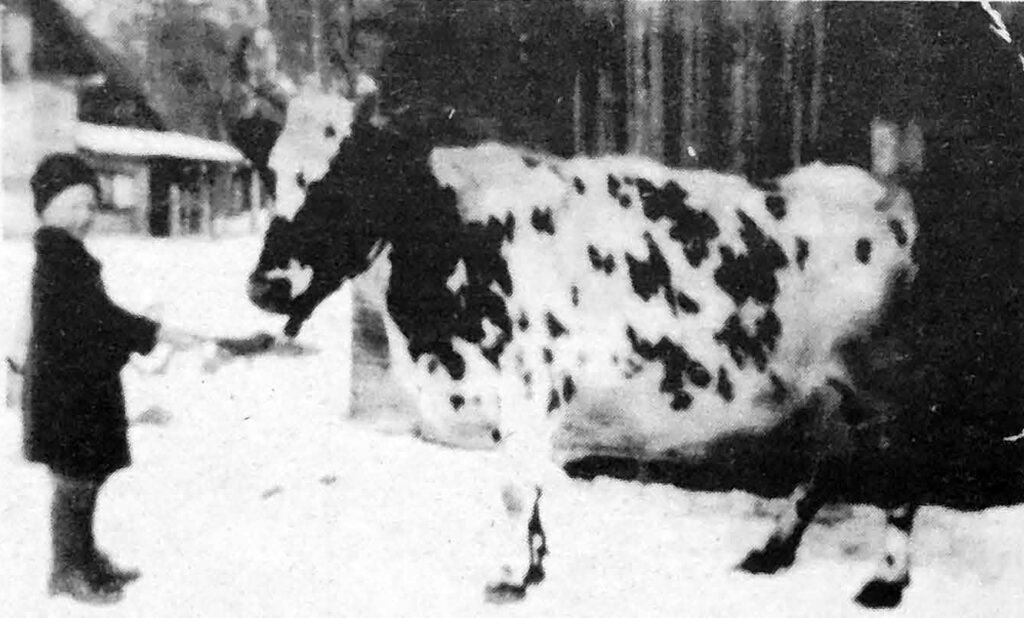
In 1954, Winston bought out Jim’s share of Birchfield and turned to dairying, developing a purebred Ayrshire herd. He and Val raised four children — Don, Kathleen, Darlene, and Alan — all of whom helped on the farm.
In 1959, a coal furnace explosion destroyed their home. The Brisco community rallied instantly, building a two‑room cabin for the family within two weeks. Val and Winston never forgot that generosity.
By May they had built a new house — the one that still stands today, now home to Don and Patsy.
Charolais, Championships, and a New Era
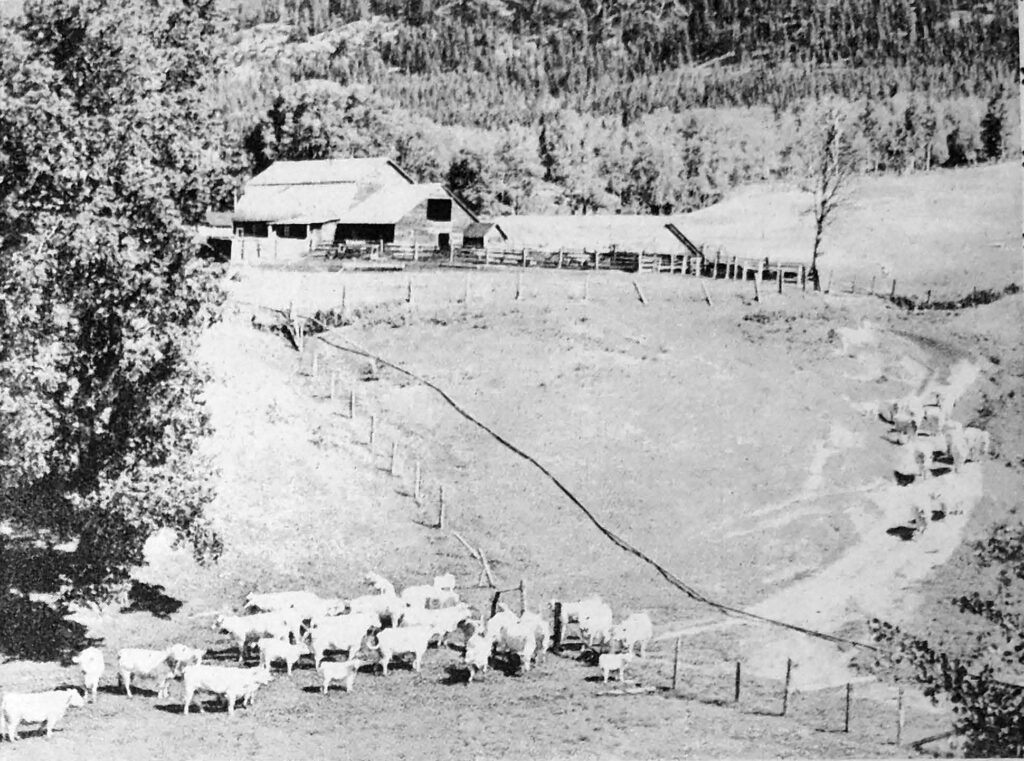
In 1957, Winston purchased the first Charolais cattle ever brought into British Columbia. What began as a side project soon became the heart of Birchfield Farm.
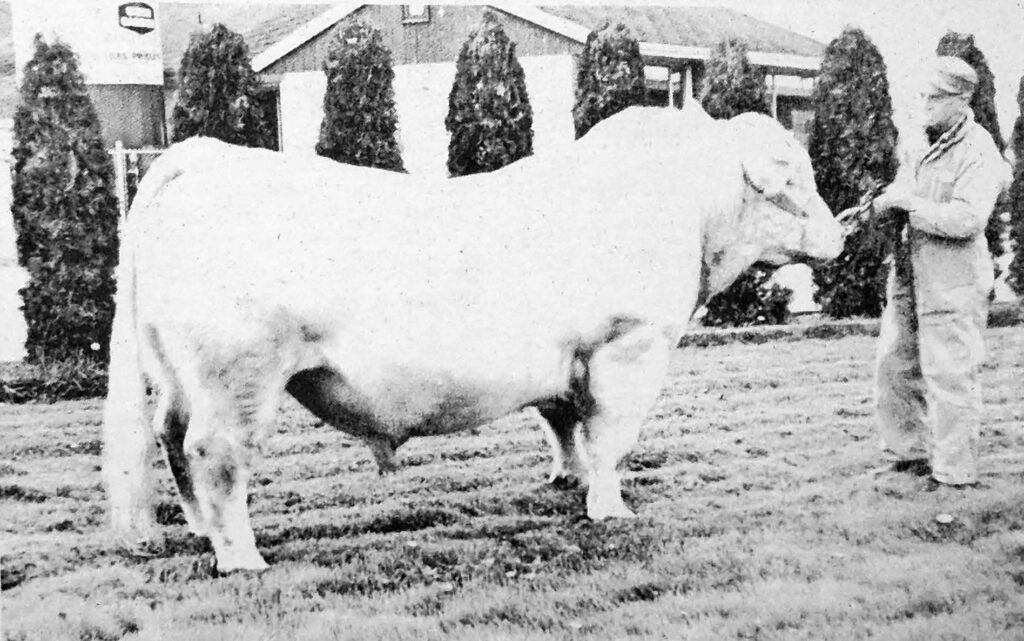
In 1965, Winston and partner Lloyd Wilder purchased Appollan, one of the finest Charolais bulls ever imported into Canada. His offspring broke world records, and his influence spread across North America.
“He paid all our debts off,” Winston said. “That old boy cleared a lot of land.”
The Wolfendens later added Maine Anjou and Luing cattle, winning major championships, including the Grand Champion Steer at the P.N.E.
A Family Legacy Rooted in the Valley
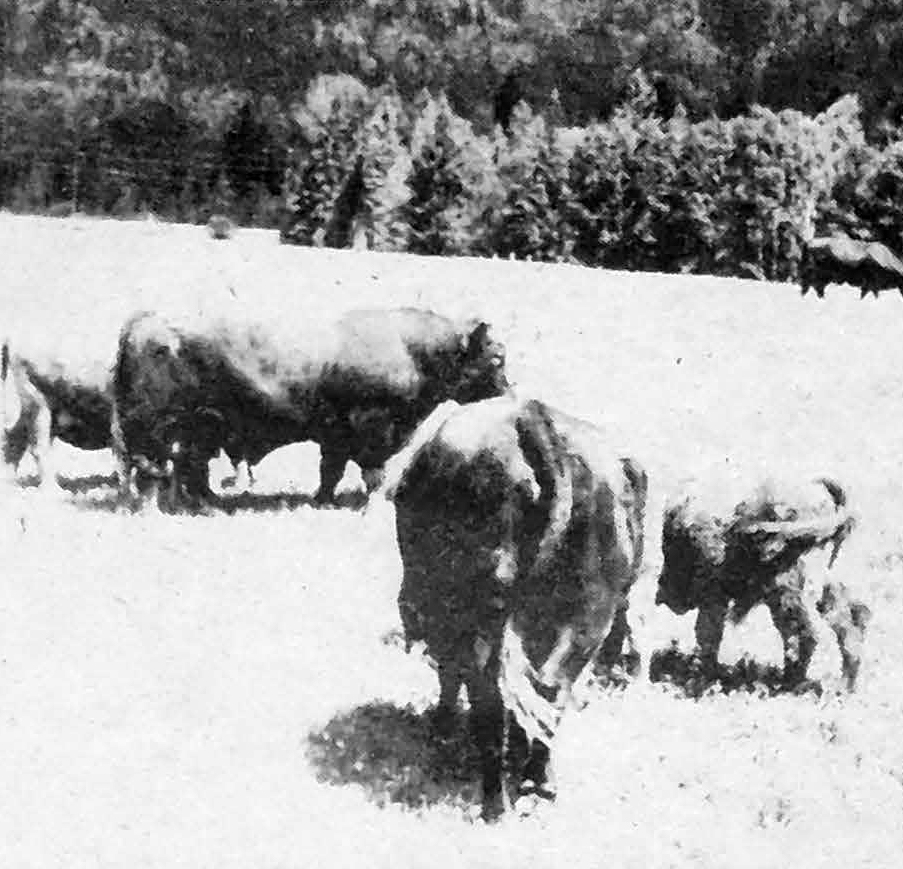
In 1972, Don and Alan bought Birchfield Farm. They continued raising Charolais and Blonde d’Aquitaine cattle and purchased a hunting lodge on the Beaverfoot. The Wolfenden children built lives across the valley and beyond, but the family’s roots remained firmly planted in Brisco.
When they sold Birchfield to their sons, Winston and Val purchased the old Rev. Thatcher farm, running it as WinVal Farm until 1976 before moving to their final home.
Even in later years, Winston and Val remained deeply involved in cattle, community, and the rhythms of rural life. They carried a deep respect for the old days — for the buildings, the photographs, the stories — and they shared those memories generously.
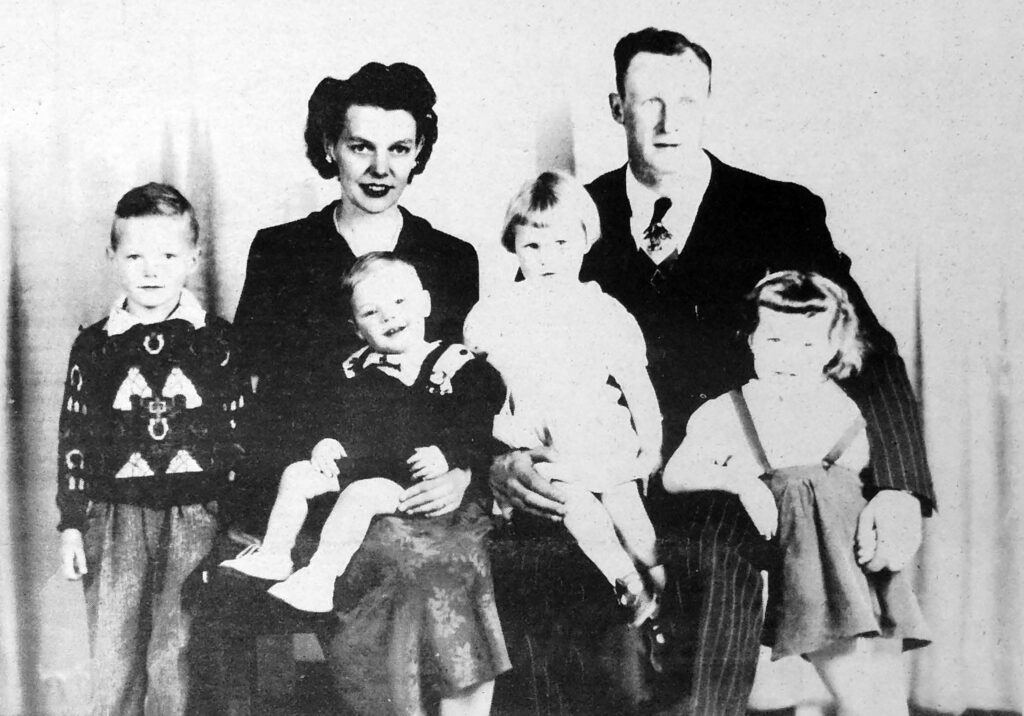
Today, although Archie, Olive, Winston, and Val have long since passed, members of the Wolfenden family still live in the Columbia Valley. Some continue to farm. All remain grateful that Archie chose this place — this valley, these mountains, this community — to build a life and raise a family.
Their story lives on because the valley remembers.